Axtarış...
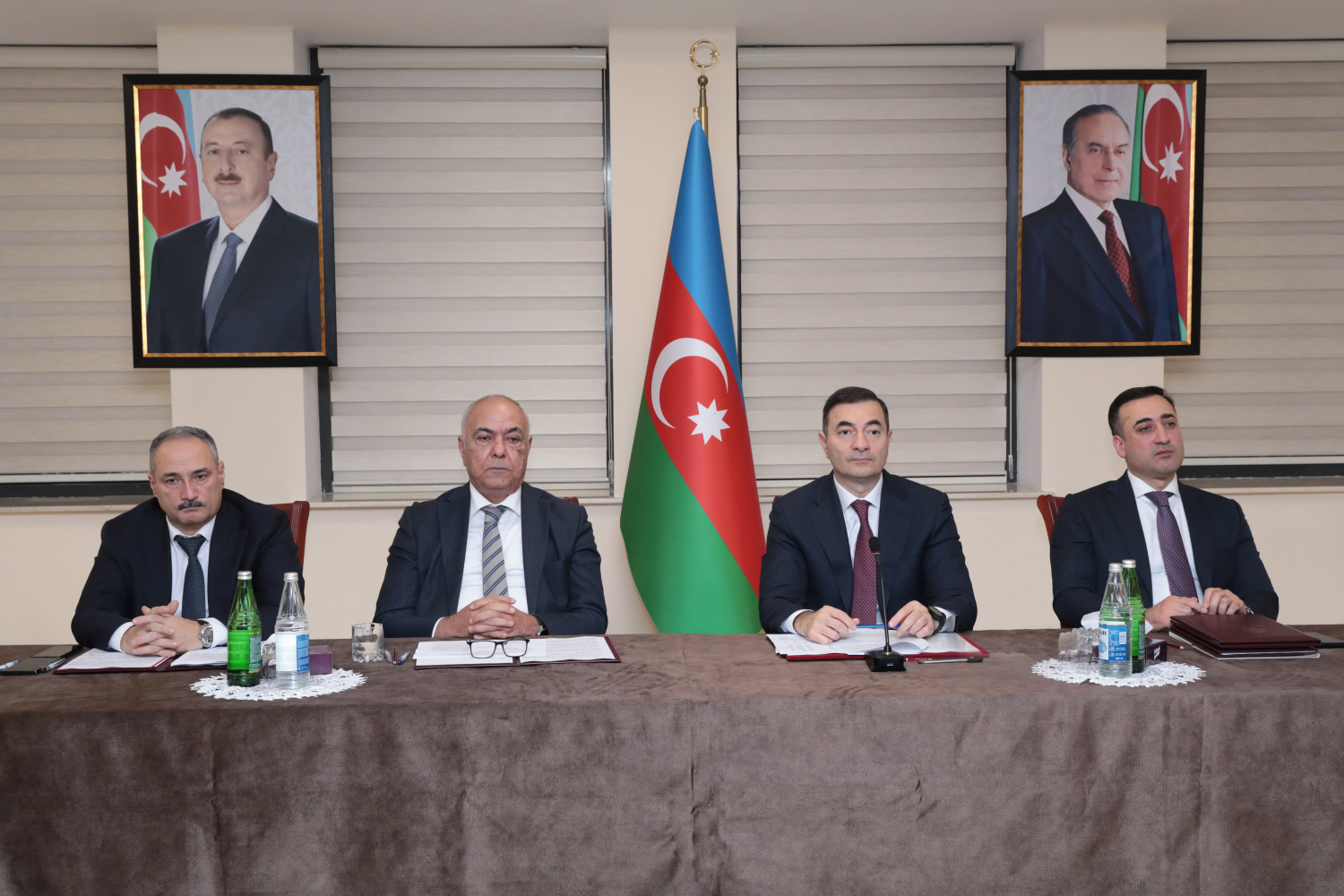
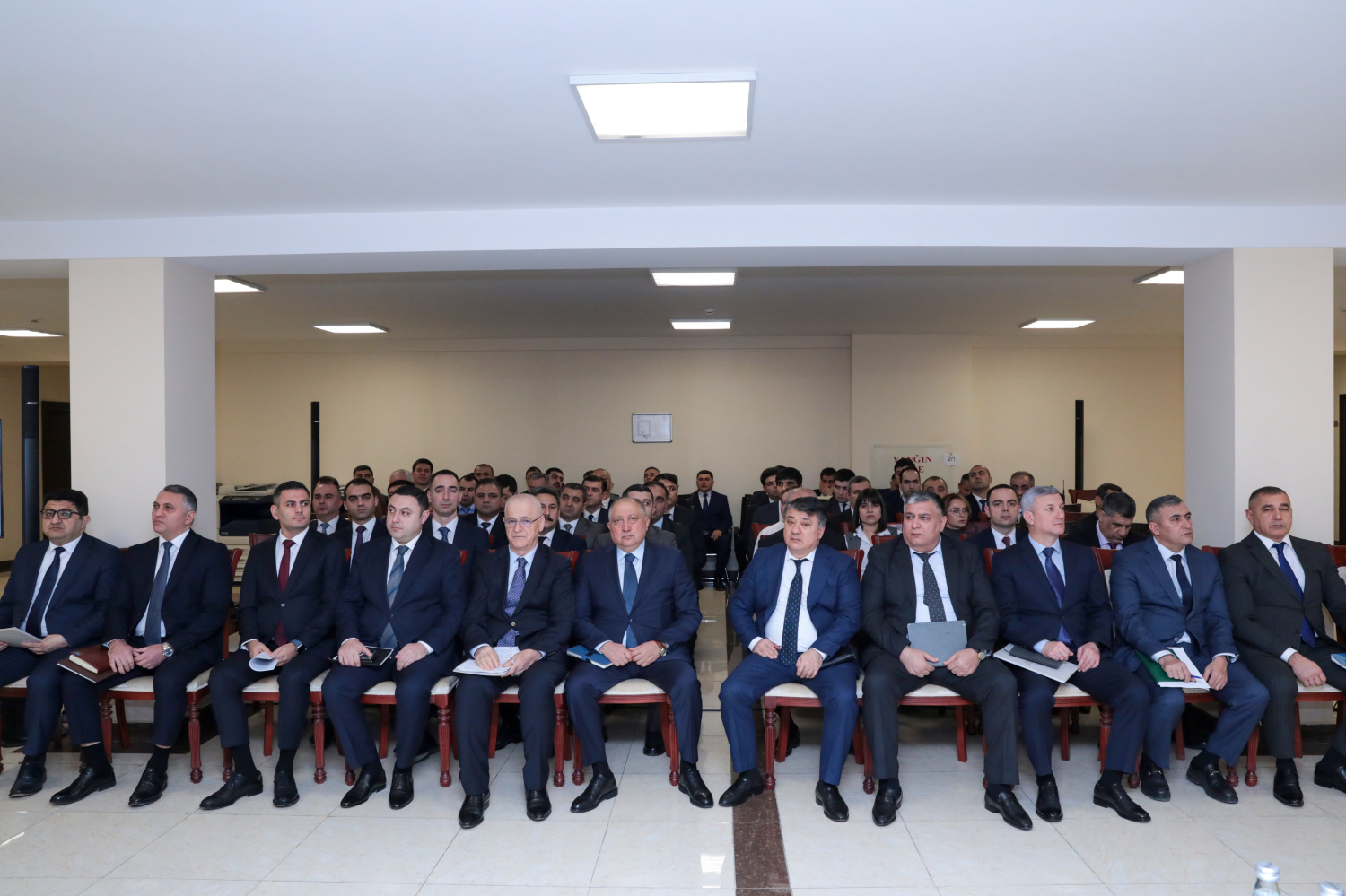
A meeting dedicated to the results of 2025 was held at Special Communication and Information Security State Service
The participants of the meeting laid flower arrangements in front of the bust of the National Leader Heydar Aliyev located in the administrative building of the SCİSSS, and his memory was commemorated with great respect.
Also, at the beginning of the meeting, the participants honored the memory of the National Leader Heydar Aliyev and of our soldiers and officers who were martyred for the territorial integrity of our homeland with a one-minute moment of silence.
After that, during the meeting, the work carried out in the fields of information security, cybersecurity, special and state communications, the projects implemented, the results achieved, and the priority directions for the upcoming period were discussed.
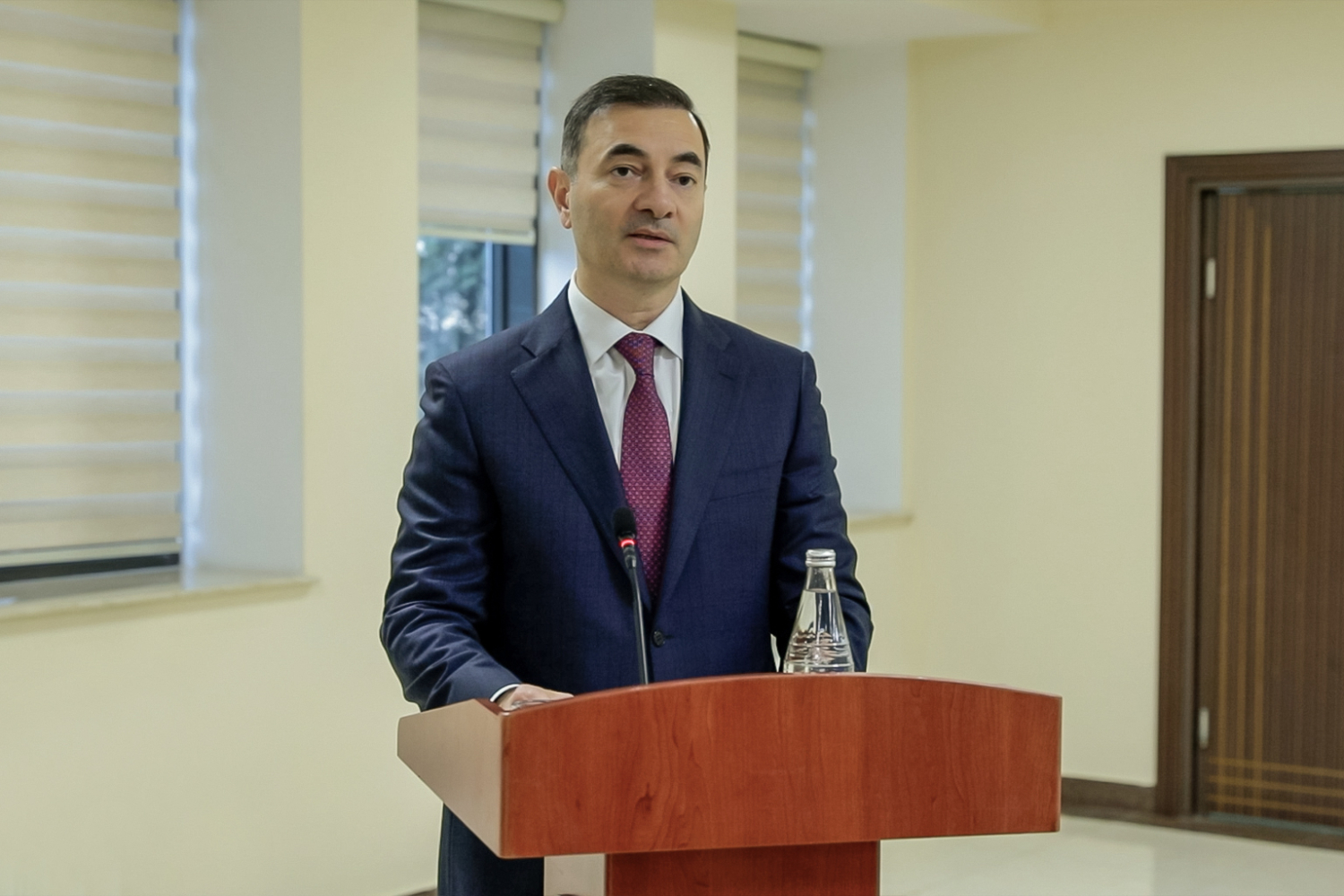
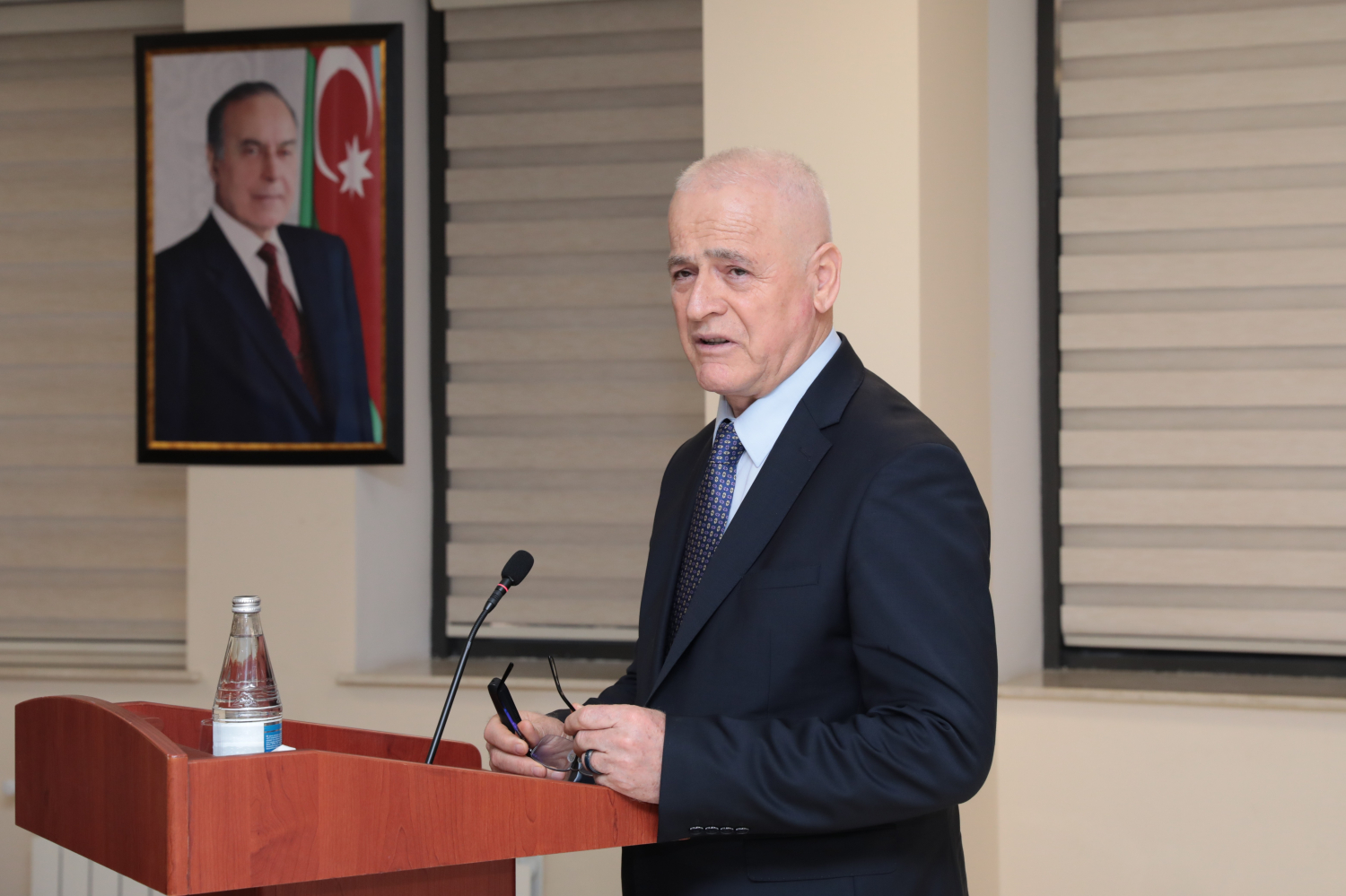
Opening the event with an introductory speech, Lieutenant General Ilgar Musayev, head of the SCİSSS, noted that during the reporting period, comprehensive measures were carried out not only to strengthen the information security environment in the country, protect state information resources, and enhance the resilience of critical information infrastructures, but also to ensure the uninterrupted, resilient, and secure operation of special state communication systems. He stated that as a result of the attention and support shown by the President of the Republic of Azerbaijan to the field of information security, the institutional and technological capabilities of the SCİSSS have expanded, the modern communication infrastructure has been further strengthened, and international cooperation has entered a new phase.
In his speech, Ilgar Musayev emphasized that the technological solutions implemented during the reporting period to protect state information resources and the user environment have yielded tangible results. He noted that through the newly commissioned next-generation protection equipment on the “AzStateNet” network, up to 450 million malicious links were blocked, including 96,000 of them identified and neutralized as harmful documents by the “Sandbox” protection system.
The head of the Service drew the attention of the meeting participants to the fact that, in order to ensure the security of end-users of state institutions, the Service has provided a centralized antivirus license covering 93 state institutions, for a total of 55,000 users. Through this system, 6,205,200 malicious activities were prevented during 2025, which represents a decrease of approximately 50.8% compared to the previous year.
Ilgar Musayev added that, through the state electronic mail service created by the Service for state institutions, over 17 million emails were processed in 2025, of which 12 million were delivered to users, while more than 5 million emails were blocked due to containing malicious content. It was emphasized that this indicator represents an increase of approximately 38.5% compared to 2024.
Additionally, during the meeting, important projects were discussed regarding the modernization of special communication infrastructure, increasing the reliability of protected communication channels between state bodies, ensuring the security of information transmission processes, and strengthening the redundancy and continuity mechanisms of communication systems.
It was noted that significant results had been achieved during the reporting period in terms of personnel training and knowledge exchange. At the meeting, concrete tasks were assigned regarding the expansion of cooperation with higher education institutions on the initiative of the SCISSS, and the establishment of practical training programs and laboratory environments.
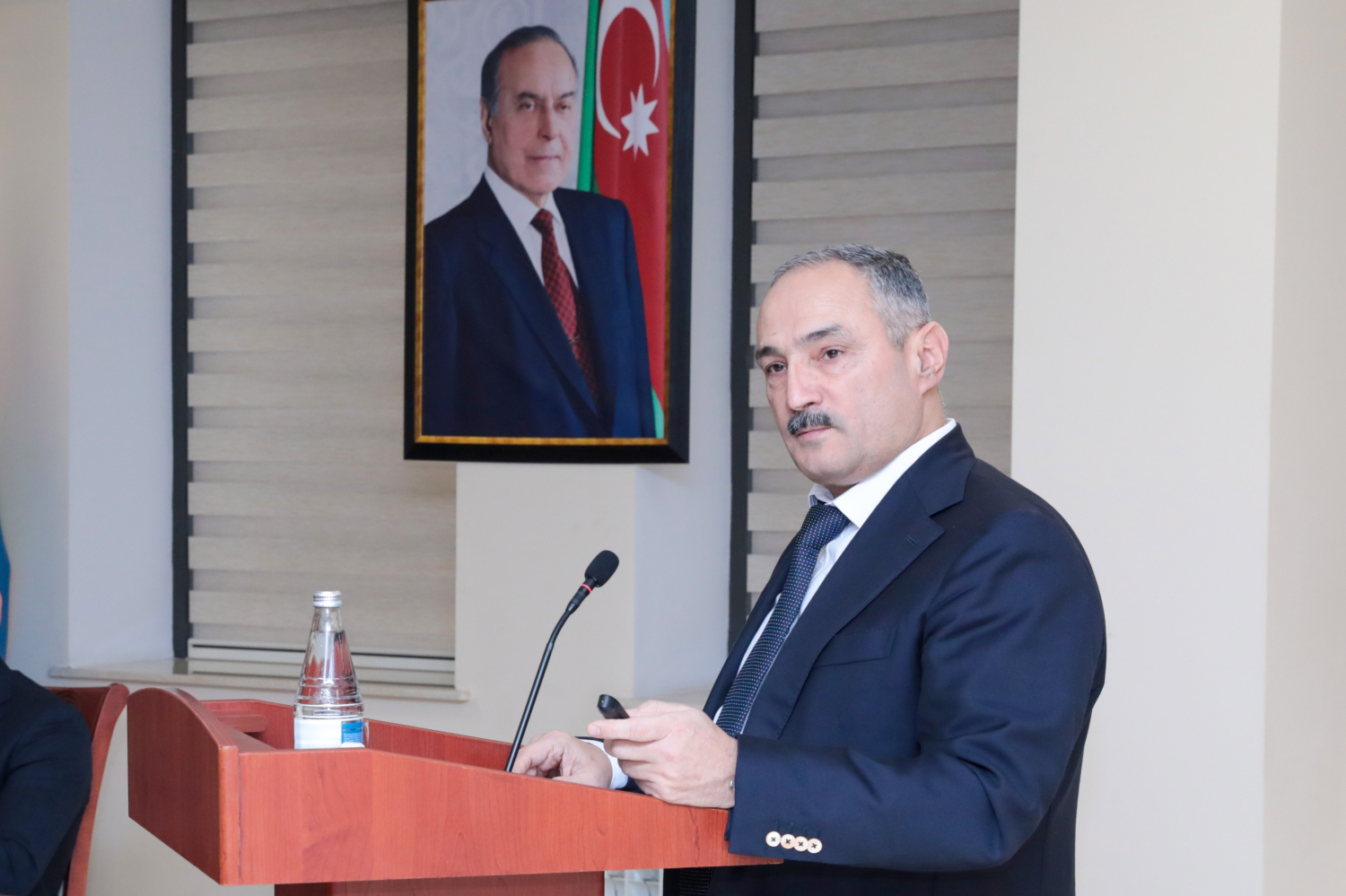
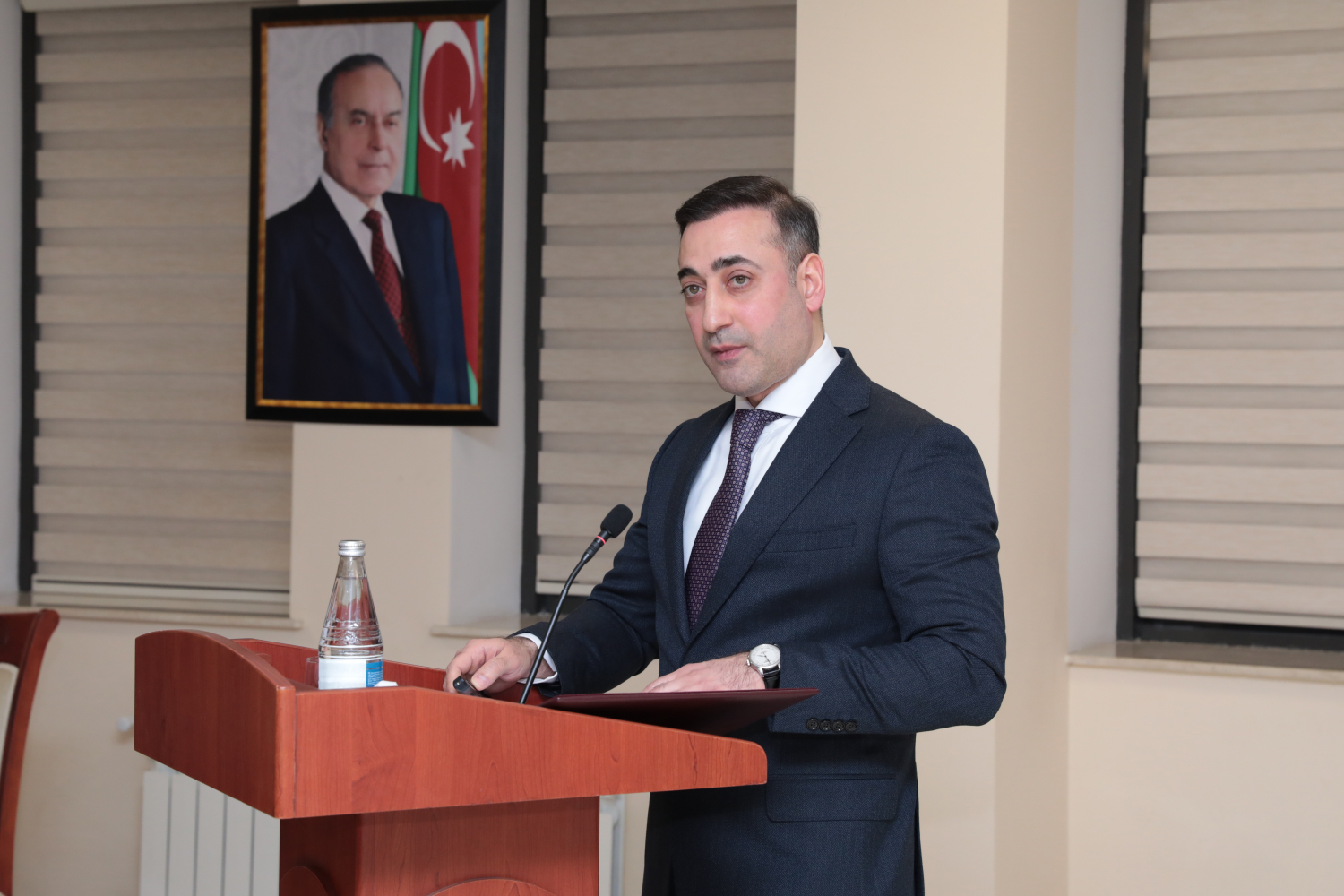
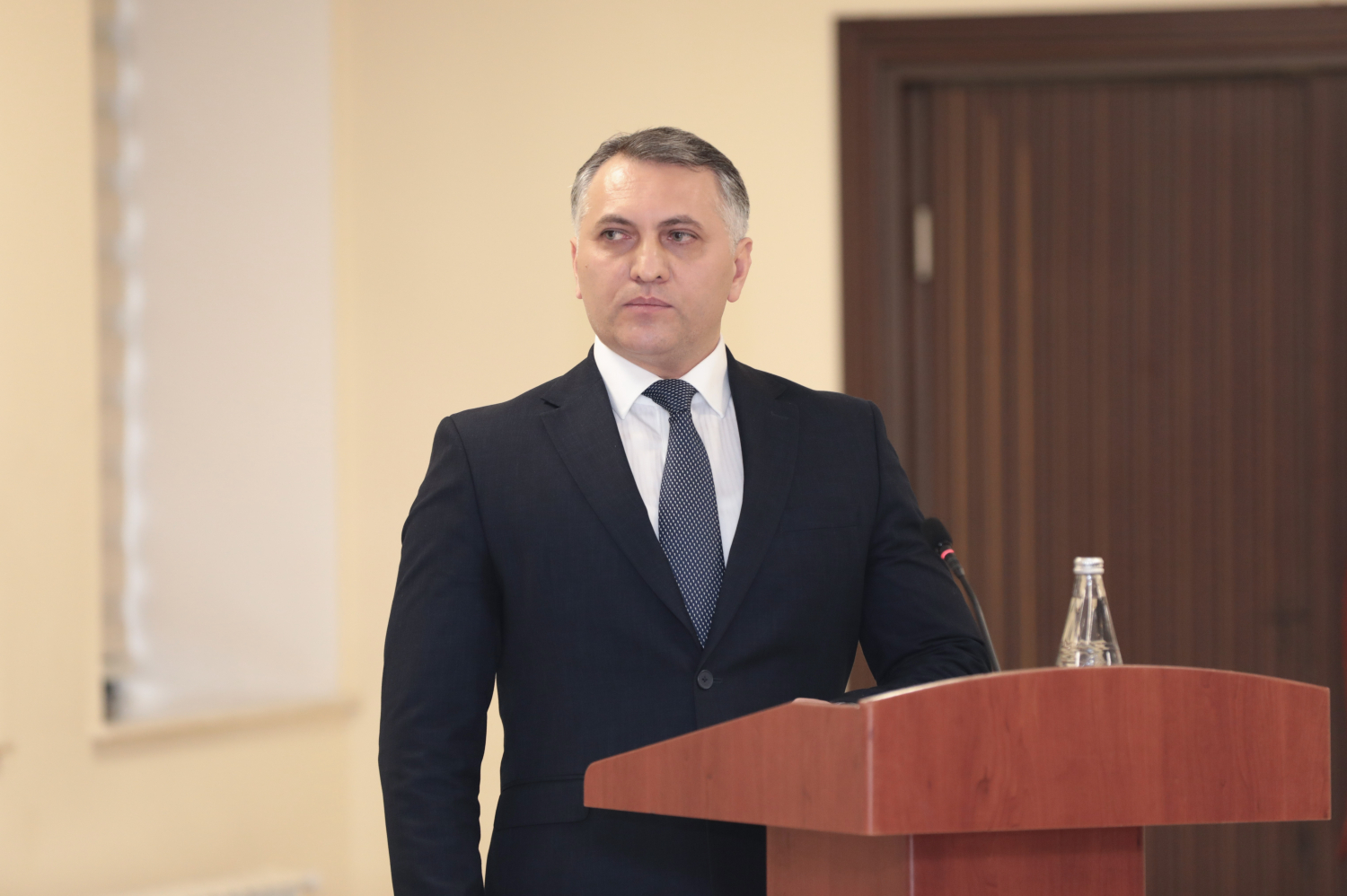
During the meeting, reports from the responsible persons of the Service’s structural units were listened, information was provided on the work carried out and the results achieved, the current situation was analyzed, and the tasks ahead were determined.
Concluding the meeting, Lieutenant General Ilgar Musayev, head of the Service, communicated to the participants the tasks for the current year regarding the implementation of the upcoming objectives, further strengthening of the special communication infrastructure, enhancement of technological capabilities, development of human resources, and expansion of international cooperation.