Axtarış...
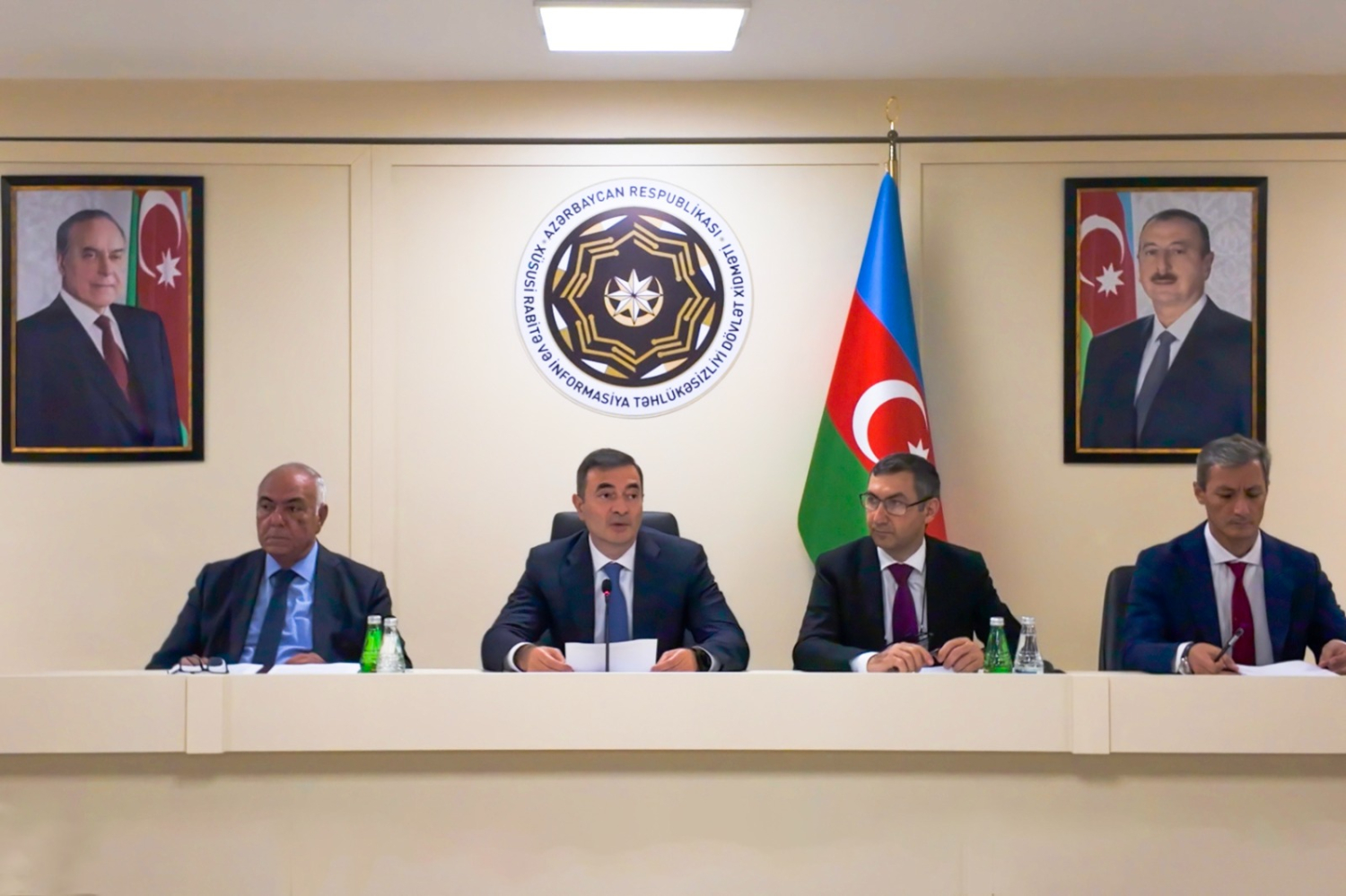
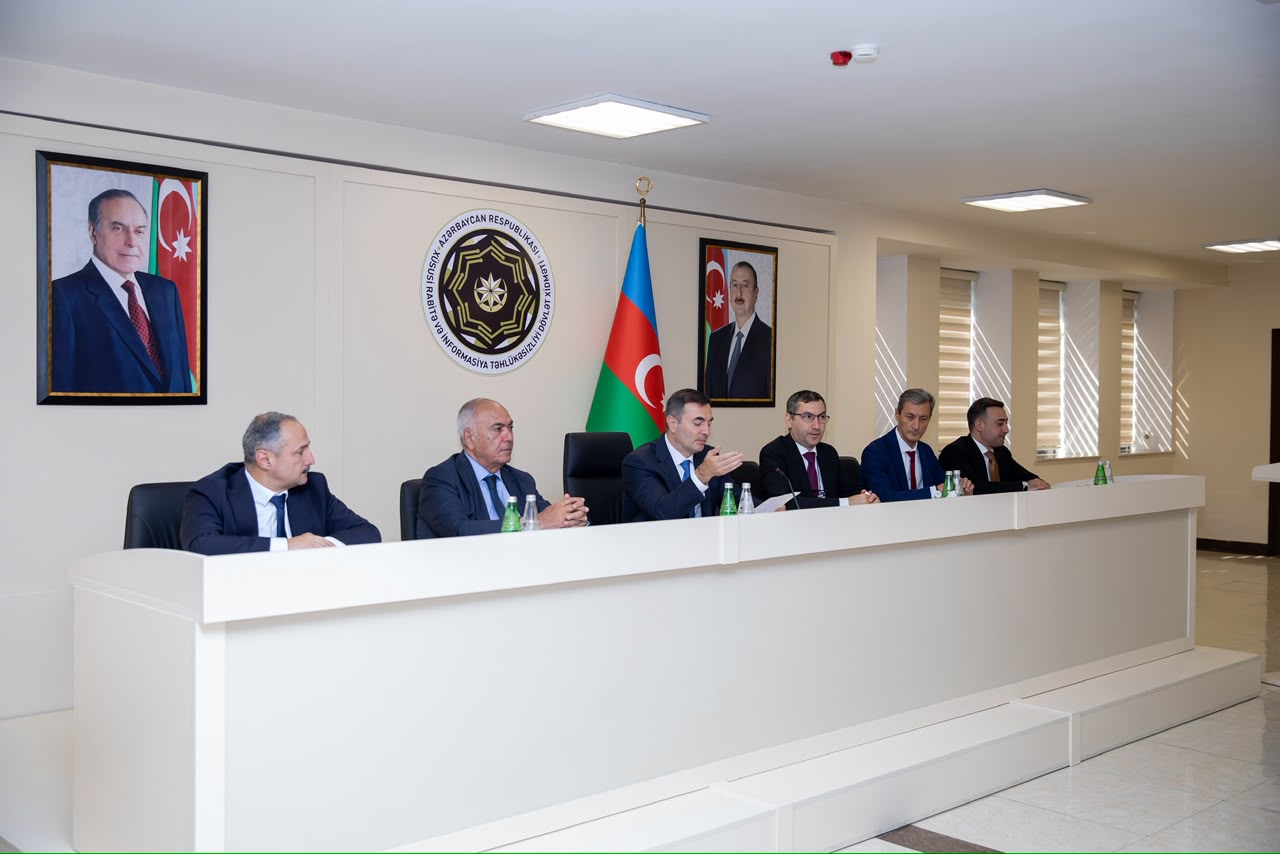
A Meeting on the Results of the First Six Months of 2026 Held at the Special Communications and Information Security State Service
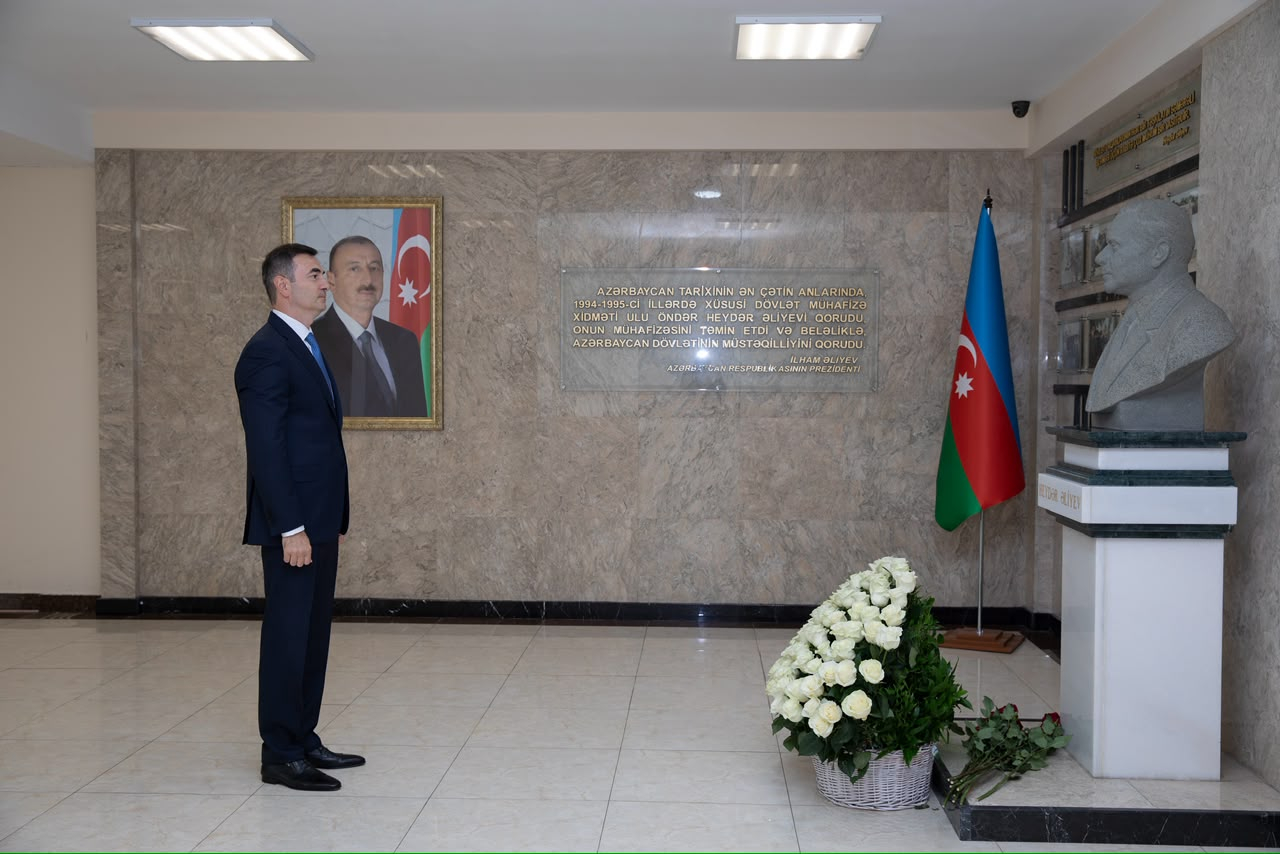
Prior to the meeting, the senior management laid bouquets of flowers at the bust of National Leader Heydar Aliyev in the administrative building of the Service and paid deep tribute to his cherished memory.
The event began with a one-minute silence in memory of National Leader Heydar Aliyev, as well as the martyrs who sacrificed their lives for the territorial integrity and sovereignty of Azerbaijan.
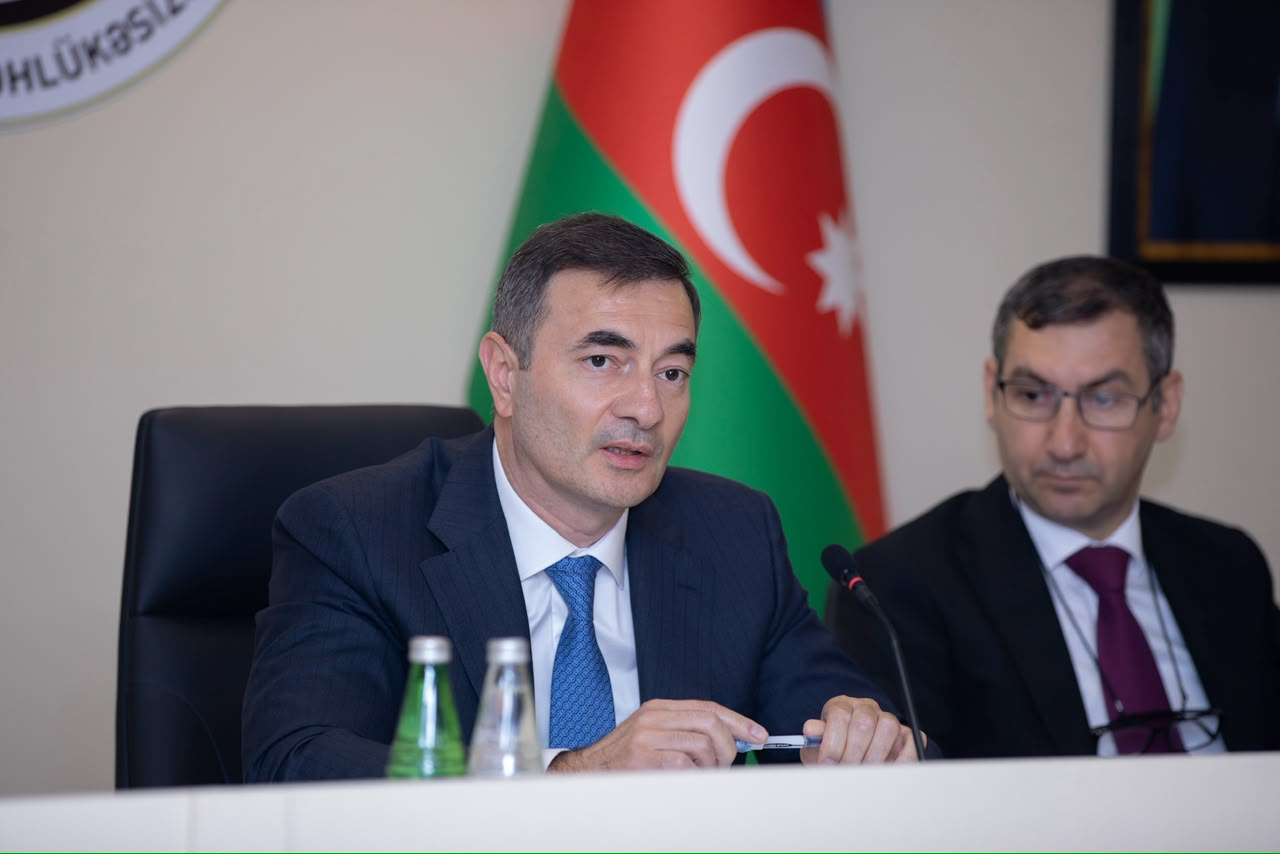
In his opening remarks, Lieutenant General Ilgar Musayev, Head of SCISSS, stated that during the reporting period, comprehensive measures had been consistently implemented to further strengthen the information security environment in the country, ensure the reliable protection of state information resources, enhance the resilience of critical information infrastructure, and ensure the uninterrupted and secure operation of special state communications systems.
The Head of the Service also emphasized that, as a result of the attention and support provided by the President of the Republic of Azerbaijan, Mr. Ilham Aliyev, to the field of information security, the institutional capacity and technological capabilities of SCISSS have expanded significantly, modern communications infrastructure has been further upgraded, cooperation with international partners has been strengthened, and the scope of mutual engagement has been broadened.
He noted that the consistent implementation of state policy in the fields of information security and cybersecurity, the improvement of the regulatory and legal framework, and the timely implementation of tasks arising from strategic documents constitute the main areas of activity of SCISSS.
To ensure the reliable protection of the information resources of government institutions at the network level, approximately 8.5 million dangerous URL-based links, as well as more than 4 million instances of network traffic containing indicators of viruses, spyware, and other malicious activities, were blocked through next-generation security solutions deployed on the “AzStateNet” network. At the same time, the “Sandbox” protection system detected and neutralized more than 64,000 files containing malware, preventing the infection of end users.
The Head of the Service also informed the participants that, over the course of six months, approximately 2.5 million cyber threats had been neutralized in order to protect end users against cyber threats. More than 700,000 of these were blocked by the centralized antivirus system, while the remainder were blocked through other advanced cybersecurity solutions. It was noted that these results once again confirm the high effectiveness of the multi-layered and centralized cyber defense mechanisms implemented in government institutions.
The Head of the Service stated that, during the reporting period, more than 8 million emails were processed to ensure the uninterrupted and secure operation of the state electronic mail service, representing a 13 percent increase compared with the corresponding period of the previous year. Of the emails processed, 5.7 million were securely delivered to users, while more than 2.6 million were identified as containing malicious content and consequently blocked.
During the meeting, the measures implemented in the fields of information security, cybersecurity, special communications, and government communications during the first six months of the current year, ongoing projects, results achieved, and priority areas of activity for the upcoming period were discussed in detail. The implementation status of measures aimed at modernizing the special communications infrastructure, enhancing the reliability of secure communications channels between government bodies, ensuring the security of data exchange, and strengthening the resilience and redundancy mechanisms of communications systems was also thoroughly analyzed.
The results achieved in personnel training and professional knowledge exchange during the reporting period were also highly evaluated. In this regard, instructions were issued to further expand cooperation with higher education institutions and establish training programs and modern laboratory environments aimed at developing practical skills.
During the meeting, reports by the heads of the Service’s structural divisions were heard, the results of the work carried out during the first six months of 2026 were discussed in detail, the current situation was assessed, and the main areas of activity and priority tasks for the upcoming period were identified.
At the conclusion of the meeting, relevant structural divisions were given specific instructions aimed at further increasing the efficiency of the Service’s activities, strengthening cyber defense capabilities, expanding proactive measures in the field of digital security, and ensuring the timely implementation of strategic objectives.